| Food Sciences and Clinical Nutrition, ISSN 0000-0000 online, Open Access |
| Article copyright, the authors; Journal compilation copyright, Food Sci Clin Nutr and Elmer Press Inc |
| Journal website https://fscn.elmerpub.com |
Original Article
Volume 1, June 2026, e4

Age- and Time-Related Changes in Serum Ferritin in Danish Men: A Population-Based Longitudinal Study of 1,199 Men Over a 10-Year Period: Influence of Nutritional Factors
Nils Thorm Milman 
The Glostrup Population Studies, Rigshospitalet, Glostrup, University of Copenhagen and Department of Clinical Biochemistry, Naestved Hospital, University of Zealand, Naestved, Denmark
Manuscript submitted April 23, 2026, accepted June 8, 2026, published online June 15, 2026
Short title: Longitudinal Panel Study of Serum Ferritin in Danish Men
doi: https://doi.org/10.14740/fscn4
| Abstract | ▴Top |
Background: A balanced body iron status is essential for good health. This longitudinal panel study assessed iron status in Danish men over a 10-year-period.
Methods: The study was part of the WHO DAN-MONICA health survey in Copenhagen 1982–1994, comprising 1,199 healthy men in age groups of 30, 40, 50, and 60 years, being invited for examination three times: at inclusion and 5 and 10 years later. Blood samples were analyzed for hemoglobin and serum ferritin as surrogates for iron status.
Results: Serum ferritin levels became stable between 35 and 40 years of age. In all age groups (except in 60-year-old men), ferritin levels increased significantly from baseline to the end of the study. Concurrently, the frequency of high ferritin values > 300 µg/L increased significantly and the frequencies of low ferritin values < 30 µg/L decreased. There was an overall increase in ferritin levels in 40-, 50-, and 60-year-old men in MONICA 10 compared to men of similar age in MONICA 1. Blood donors had significantly lower ferritin levels than non-donors in all age groups, but few had iron deficiency anemia.
Conclusions: There were no indications that the rise in ferritin during the 10-year period was caused by a higher frequency of inflammatory conditions. The increase was most likely due to changes in lifestyle factors, especially nutritional factors, considering that dietary iron intake in men is markedly higher than the recommended daily intake and due to an increase in the consumption of meat and alcohol in the observation period. This study suggests that in a population, ferritin should be monitored with appropriate intervals in order to evaluate changes in iron status.
Keywords: Blood donor; Ferritins; Hemoglobins; Iron status; Longitudinal studies; Nutrition; Men
| Introduction | ▴Top |
Iron is essential to man as a component of hemoglobin and as part of many vital iron-containing enzymes, and the human body is involved in a delicate balance concerning the dietary iron supply and absorption of iron and the establishment and maintenance of iron reserves. Too little iron causes iron deficiency with both hematologic and non-hematologic consequences [1], whereas too much iron may induce iron overload with cellular and organ damage as observed in genetic hemochromatosis [2, 3].
Since the introduction of the biological marker serum ferritin used for the assessment of body iron reserves and iron status, effort has been devoted to epidemiological surveys of iron status in different populations. Nearly all studies have been cross-sectional in design, and age-related changes in iron status have been derived by combining results from various cross-sectional studies of different age groups [4, 5].
In the present longitudinal study, an apparently healthy adult male population in age groups of 30 to 60 years has been followed and examined in a panel study two or three times within a 10-year period. The aims were to evaluate the physiological age-related changes in serum ferritin, as a proxy for iron status, in a general population of Danish men. Furthermore, to analyze whether any time-related changes had occurred during the 10-year observation period and since the abolition of the obligatory food iron fortification in 1987. In addition to discuss the potential causes of changes in time-related ferritin levels, especially dietary factors, during the observation period. Finally, to examine the impact of blood donation on iron status in the general population.
| Materials and Methods | ▴Top |
Men
This unbalanced panel study of the same participants was performed three times during a period of approximately 10 years. The first survey was MONICA 1 in 1982–1984, the second MONICA 5 in 1988–1989 and the third MONICA 10 in 1993–1994, i.e., the participants became 10 years older during the study.
This study was approved by the Ethical Committee in Copenhagen County and conducted in compliance with the ethical standards of the responsible institution on human subjects as well as with the Helsinki Declaration. It constituted the Danish part of the World Health Organization initiated multinational study for the “Monitoring of Trends and Determinants in Cardiovascular Disease” (DAN-MONICA) [6], which was conducted at the Copenhagen County Center for the Prevention of Disease in Glostrup Hospital. Oral and written informed consent was obtained from all participants in each of the three MONICA surveys.
In 1982, a randomly selected sample of 1,433 ethnic Danish men, in age groups of 30, 40, 50, and 60 years, was derived from the Census register and were examined in the first MONICA 1 iron status survey in 1982–1984 [7]. The men were reinvited to the second MONICA 5 survey in 1988, in which 1,014 accepted the invitation, and to the third MONICA 10 survey in 1993–1994, in which 991 reported for examination. All included men were examined in MONICA 1 and/or in MONICA 5 and/or in MONICA 10, i.e., all participants had at least two measurements of serum ferritin. The majority of the participants were in good health, and according to the records, at most 2–3% might suffer from diseases (inflammatory disease, liver disease, malignancy) which might cause an inappropriate decline or elevation of ferritin.
Methods
The participants provided their medical history, including information about blood donation. Blood samples were obtained in the fasting state between 08.00 and 11.00 h and serum was immediately separated. In MONICA 1 hemoglobin was analyzed on Coulter Counter Model S Plus® and in MONICA 10 on Abbott Cell-Dyn Sapphire Hematology Analyzer®. Due to the 10-year time gap between the two surveys, we had no opportunity to compare and standardize the two assays against each other.
Serum ferritin was analyzed en bloc after the closure of each MONICA survey. In MONICA 1, ferritin was measured with an immunoradiometric assay (Phadebas Ferritin PRIST®, Pharmacia Diagnostics, Uppsala, Sweden), and in MONICA 5 and MONICA 10 with same radioimmunoassay (Ferritin RIA Amersham™, Cardiff, UK). We have compared the two assays in a separate study, and Ferritin PRIST® values were then translated/converted into Ferritin RIA values as previously reported [8].
In men, serum ferritin values > 300 µg/L are considered consistent with abnormally high body iron stores that deserve further attention [9]. Serum ferritin values < 30 µg/L are indicative of absent stainable hemosiderin iron in the bone marrow, i.e., the presence of small or depleted body iron reserves [10].
Statistical analysis
Statistical analyses were performed using the Med-Calc® statistical software, version 23.5.2 [11]. Due to the non-normal distribution of ferritin values, non-parametric analysis methods were employed. Values were quoted as medians, interquartile ranges (IQR), and geometric means (antilog of log10 arithmetic mean values). Comparisons were performed using Willcoxon two-tailed test for paired values, Mann–Whitney two-tailed test for unpaired values, Friedman test for paired values through the three MONICA surveys; Spearman’s rank correlation coefficient rho = rs, Chi-square test, Kruskal–Wallis test, ANOVA F-test, and Fisher’s exact test were all used in the statistical analyses. The significance level was set at P < 0.05.
| Results | ▴Top |
Hemoglobin was measured in all men in MONICA 1 and in 990 of them also in MONICA 10 as shown in Table 1. Hemoglobin values were slightly higher in MONICA 1 compared to MONICA 10 as was the frequency of high values, while the frequency of low values was similar in both surveys; the significant difference persisted even after exclusion of the high hemoglobin values. There were no clinically relevant correlations between hemoglobin and ferritin. The number of men with ferritin values < 15 µg/L and hemoglobin < 134 g/L, i.e., compatible with possible iron deficiency anemia, comprised only a few men, around 0.14% and is therefore not incorporated in the analysis of the results.
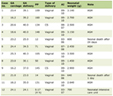 Click to view | Table 1. Measurements of Hemoglobin in All Men in the MONICA Cohort |
Table 2 shows the results in the entire series. There was a significant, gradual increase in ferritin levels over time in the three MONICA examinations. The frequency of high ferritin values > 300 µg/L, compatible with abundant iron reserves or iron overload, also increased significantly while the frequency of low values < 15 µg/L decreased significantly.
Click to view | Table 2. Longitudinal Measurements of Serum Ferritin in All Men in the MONICA Cohort |
The men were interviewed about recent blood donation in MONICA 1 and MONICA 10. The numbers of blood donors are shown in Table 3. During the 10-year period, the prevalence of donors decreased from 28% in MONICA 1 to 14% in MONICA 10. Likewise, in men of comparable age, the donor frequency also decreased from 31% to 18% in 40-year-old men, from 27% to 18% in 40-year-old men and from 27% to 11% in 60-year-old men.
Click to view | Table 3. The Number of Blood Donors in Men According to Age in MONICA 1 and MONICA 10 Surveys |
Table 4 shows the longitudinal ferritin values in blood donors. In this table, donors were defined as those men who donated blood at inclusion in MONICA 1, i.e., they were also classified as donors in the MONICA 5 and MONICA 10 surveys. Some men in the MONICA 10 survey were non-donors in MONICA 1 but became donors in MONICA 10, so they were included in the MONICA 10 donor group. We observed a significant increase in ferritin levels and high ferritin values over time concomitant with a significant decrease in low ferritin values.
Click to view | Table 4. Longitudinal Measurements of Serum Ferritin in Men, Blood Donors, in the MONICA Cohort |
The longitudinal ferritin values in non-blood-donors who never donated blood either in MONICA 1 or in MONICA 10 are shown in Table 5. Ferritin levels increased significantly with age just like the frequency of high ferritin values, which rose from 8.9% in MONICA 1 to 18% in MONICA 10. In contrast, the frequency of low ferritin values was low, almost similar, and quite stable in MONICA 1 through MONICA 10.
Click to view | Table 5. Longitudinal Measurements of Serum Ferritin in Men, Non-Blood-Donors, in the MONICA Cohort |
Donors had significantly lower ferritin levels and higher frequencies of low ferritin values < 30 µg/L at all three examinations than non-donors (Table 4), but nevertheless they also displayed a gradual increase in ferritin levels with age as observed in the entire series (Table 2) and in non-donors (Table 5). Donors also displayed a significant decrease in the frequency of low ferritin values and a significant increase in the frequency of high ferritin values over time. Only two donors had hemoglobin and ferritin values compatible with iron deficiency anemia.
Table 6 shows the results of the panel study, i.e., ferritin values in the same men are consecutively monitored two or three times. We observed no significant differences between the various age groups from a cross-sectional point of view in MONICA 1 through MONICA 5 and MONICA 10 (Table 6 read vertically).
Click to view | Table 6. Longitudinal Measurements of Serum Ferritin (Median and Interquartile Range) in Men, Non-Blood-Donors, in the MONICA Cohort, Arranged According to Age at Inclusion in MONICA 1 |
In contrast, there was a significant increase in ferritin levels in 30-, 40-, and 50-year-old men from MONICA 1 through MONICA 5 to MONICA 10. In 60-year-old men, there was a slight increase in ferritin until 65 years of age, and hereafter levels remained stable until 70 years of age (Table 6 read horizontally).
Table 7 compares ferritin levels in men of similar age in 1982 and later in 1994. It appears that during this period, ferritin levels have increased significantly in both 40-, 50-, and 60-year-old men.
Click to view | Table 7. Serum Ferritin (Median and Interquartile Range) in Men, Non-Blood Donors, of Same Age, in the MONICA 1 and MONICA 10 Surveys |
| Discussion | ▴Top |
This study evaluates serum ferritin levels, as a substitute for body iron status, in a 10-year longitudinal setting in apparently healthy Danish men. The aim of our previous cohort study was to evaluate the effect of the abolition of the mandatory food iron fortification in Denmark running from 1954 to 1987 [5]. This study also differs from the previous cohort study [5] by the inclusion of the serum ferritin results from the MONICA 5 survey and by reporting the results in an individual setup as a panel study.
During the observation period, hemoglobin levels were by and large unchanged, although slightly different, partly due to the large numbers of participants, making even small differences significant and partly due to the use of two analysis methods. Importantly, the frequency of low hemoglobin values was similar in the two MONICA surveys, and the slight difference appears to be of no clinical relevance. However, during the 10-year age gap between MONICA 1 and MONICA 10, the health condition in some of the elderly participants may have declined entailing lower hemoglobin levels.
We included the results in blood donors, because blood donation is the major community activity, which significantly affects the iron status of a population. Clearly, blood donation had a marked impact on body iron status, by lowering ferritin levels in all age groups (Table 4) and low ferritin values were frequent in donors, but iron deficiency anemia was extremely rare, confirming that the present official regulations for blood donation are working properly. However, during the observation period, the donation frequency decreased significantly with age in men being 40, 50, and 60 years old at inclusion, which in part may counteract the decline in ferritin. During the observation period, there was an overall decrease in the number of blood donors in the population in Greater Copenhagen from 7.1% in 1982, to 4.6% in 1994 [12].
Concerning the two serum ferritin assays, we rely on that levels are comparable, due to our study comparing the results of the two methods in order to convert/transform values from one assay to the other [8]. In all three surveys, serum ferritin was analyzed en bloc after the survey had been closed and with these assays, we had no reason to believe that the one-time freezing, storage, and thawing process should have any significant influence on ferritin levels.
Previous studies have shown that ferritin levels in Danish men display a gradual increase from 15–16 to 30 years of age [4, 13]. The present study confirms that ferritin levels stabilize around 35 to 40 years of age (see Table 6), as also observed in the cross-sectional study by Barton et al [14].
The principal observation of this study was the significant increase in ferritin levels and high ferritin values over time in participants being 30, 40, and 50 years old at inclusion, while levels in 60-year-old men did not show any significant change from 60 to 70 years of age (Table 6). These changes were observed in both blood donors and non-donors. In the entire series of non-donors, the frequency of high ferritin values > 300 µg/L increased from 9% in MONICA 1 to 18% in MONICA 10 (Table 5).
However, in 1994, men aged 40, 50, and 60 years had significantly higher ferritin levels than men of similar age in 1982 (Table 7), indicating a general, age-independent rise in ferritin levels in the male population during this period.
Among other factors, iron absorption on the long term depends on the magnitude of body iron reserves. With increasing iron reserves, i.e., increasing ferritin levels, iron absorption declines through the interaction of hepcidin, which is a main regulator of intestinal iron uptake. Hepcidin inhibits iron absorption through inhibition of the iron transporter ferroportin. As the iron reserves rise, the hepcidin levels increase as well in order to slow down iron uptake [15, 16].
Besides being a biological marker of body iron status, ferritin acts as an acute phase reactant, increasing by the presence of inflammation [17]. We did not include analysis of inflammatory markers, e.g., C-reactive protein in this study. However, as the increase in serum ferritin from 1982 to 1994 is observed in men of similar age, it seems unrealistic to assume that the frequency of inflammation, liver, kidney, and cancer diseases, all known to be connected with inappropriate elevation of ferritin [4] in 40-, 50-, and 60-year-old men should be systematically higher in 1994 than in 1982. Therefore, we consider that an age-dependent increase in inflammation etc. might only play a minor role in orchestrating the observed increase in ferritin over time.
Adipose tissue can induce metabolic dysfunction and low-grade inflammation [18], explaining why a high body mass index can be associated with inflammation and elevated serum ferritin levels being inappropriately high compared to body iron reserves [19]. Median body mass index in the men in the MONICA 10 survey was 26 kg/m2, being slightly higher than the 25 kg/m2 in the MONICA 1 survey and we found a positive correlation between serum ferritin and body mass index in both MONICA 1 (rs = 0.22, P < 0.0001) and MONICA 10 (rs = 0.15, P = 0.003). Body mass index increased slightly with age in both MONICA 1 as well as MONICA 10, until reaching a maximum at 50 years of age. Also, in men of similar age, those in MONICA 10 had slightly higher body mass index than those in MONICA 1 (Mann–Whitney test, P = 0.0008). Consequently, at least part of the increase in ferritin both with age as well as over time, might therefore be induced by the moderate increase in body mass index. In addition, other potential confounders, e.g., metabolic health and non-adipose-related subclinical inflammation with elevated C-reactive protein, which may increase ferritin levels, were not accounted for in the analysis.
There seems to be a “thermostatic” interaction between iron reserves and iron absorption in men, which reaches an equilibrium at 35–40 years of age [4]. Therefore, the observed increase in ferritin over time in 40-, 50-, and 60-year-old men might be due to a combination of changes in extrinsic lifestyle factors, especially in nutritional factors.
All iron in the human body originates from the absorption of iron in the food. The intestinal iron uptake depends both on the total amount of iron in the diet and the balance between the content of inhibitors and promoters of iron absorption in the meals [20]. Vegetarians generally have a low iron status [20]; however, in the 1980s and 1990s the number of male vegetarians in Denmark was very low [21], so it is not relevant to discuss this issue here.
Nutritional surveys in Denmark and other European countries consistently show that the big majority of men have a dietary iron intake, which is markedly higher than the recommended daily intake (RDI) of 9 mg/day [22]. In the MONICA 1 associated dietary survey, men had a median food iron intake of 14 mg/day [23] and in 1985, the first Danish National Nutrition Survey reported a median iron intake in men of 18 mg/day [24]. In 1995, the Danish National Nutrition Survey reported a median iron intake of 12.1 mg/day in 19- to 64-year-old men [25]. Overall, these and subsequent nutrition surveys show that median iron intake in Danish men has been relatively stable over the last 30 years, ranging from 14 to 12 mg/day [22]. In the latest Danish National Nutrition Survey 2021–2024, the median iron intake was 11.7 mg/day in 25- to 70-year-old men and 85% had an intake above RDI [26].
Interestingly, although food iron intake in vegetarians is within the same range and even slightly higher than in non-vegetarians, vegetarians generally have a low body iron status and many display iron deficiency [20]. Our findings, that ferritin levels in men have increased over time despite a relatively unchanged food iron intake and despite the abolition of the ineffective food iron fortification in 1987 [5], suggest that the composition of the iron in the food iron and the balance between inhibitors and promoters of iron absorption may play a significant role [20]. A diet with a low heme iron content and rich in inhibitors of iron absorption, e.g., polyphenols, phytates, etc., will lower absorption, while a diet rich in promoters, e.g., heme iron, meat factors, alcohol, etc., will stimulate absorption [20].
Most Danish men consume a varied diet, in which the most important sources of iron are animal foods, i.e., mammal and poultry meat and offal and to a lesser extent fish. These foods are rich in both the easily absorbed heme iron as well as non-heme iron and furthermore contain potent iron absorption promoters, the so-called “meat-factors” [20].
Due to the increased prosperity in the population, the intake of red meat in Danish men has increased steadily from the 1980s to 1999 and subsequently continued to rise slowly reaching a stable, but high level [27]. Danish men are among the highest meat consumers in Europe, with a median intake of 151 g/day, significantly exceeding the Official Danish Dietary Guidelines of 350 g/week [26]. The latest Official Danish Dietary Guidelines from 2021 advise people to consume less meat and if they eat meat, they should preferably eat poultry meat [28]. Despite a high-meat culture, many Danes are now trying to reduce consumption due to climate and health concerns, as well as rising meat prices, with young people and women leading this shift.
In Denmark, alcohol consumption in the male population is among the highest compared to other European countries and consumption tends to increase with age [29]. Alcohol intake is clearly positively correlated to ferritin levels [5] because it is a significant promoter of intestinal iron uptake in two aspects. While pure alcohol has a moderate stimulating effect on gastric acid production, drinks like beer, wine, and cocktails can enhance iron absorption by increasing gastric acid output [30]. However, the most important promoting influence on iron uptake is probably exerted through the alcohol-induced downregulation of hepcidin production in the liver [31, 32] allowing more food iron to be absorbed.
Individual alcohol consumption is hard to measure, and dietary surveys tend to underestimate it. However, in Denmark, the general consumption of alcohol in the population has increased steadily from 1985 to 2001 [29] and is most likely co-responsible for the general increase in ferritin levels, we observed during this period.
Supposing that changes in nutritional factors are main responsible for the general increase in ferritin levels in 30-, 40-, and 50-year-old men over time, the absent increase in 60-year-old men could be due to the fact that they already had quite high ferritin levels before entering the survey so their “iron thermostat” would counteract additional iron uptake. Furthermore, dietary conservatism, i.e., elderly men may be less likely to change their dietary habits than younger men, could also be partly responsible.
The Danish Veterinary, Food, Agriculture and Fisheries Agency monitors the dietary habits in national dietary surveys but has not included assessment of iron status. The only large population-based study of iron status in Danish men has been performed in the MONICA cohort [4, 5, 7] and in the present paper.
A balanced body iron status, i.e., not too much, not too little, is essential for healthy life. The presented results suggest that iron status in the Danish population is not a stable factor but may change due to variations in lifestyle and nutrition. Accordingly, a report from the Danish Veterinary, Food, Agriculture and Fisheries Agency has recommended monitoring serum ferritin levels in the population with appropriate intervals [33].
Conclusions
Serum ferritin, used as a marker of body iron stores, was assessed in a 10-year longitudinal panel study of 1,199 apparently healthy Danish men aged 30, 40, 50, and 60 years at baseline. Ferritin levels became stable between 35 and 40 years of age. However, in all age groups except the 60 years, ferritin levels increased significantly from baseline to the end of the study. At the same time, the frequency of high ferritin values > 300 µg/L increased significantly, while the frequency of low ferritin values < 30 µg/L decreased. Blood donors had markedly lower ferritin levels than non-donors in all age groups. There was no convincing evidence that the increase in ferritin over the 10-year period was caused by a higher frequency of inflammatory conditions. The rise was most likely related to lifestyle changes, particularly dietary factors, as men’s iron intake was well above the RDI and meat and alcohol consumption increased during the study period, both of which promote iron absorption. These findings suggest that population iron status, as measured by serum ferritin, should be monitored at appropriate intervals.
Acknowledgments
The author is grateful to Senior Advisor, Cand. Brom. Sisse Fagt, National Food Institute, Technical University of Denmark, Copenhagen, for information about food iron intake in Denmark and to CEO Kristian Krogh and CEO Eskil Krogh, Pharmovital ApS, Rosenkæret 11B, DK-2860 Soborg, Denmark, for helpful assistance.
Financial Disclosure
The study was supported by The Health Insurance Foundation (grant H 11-23-89), The Danish Hospital Foundation for Medical Research, Region of Copenhagen, The Faroe Islands and Greenland (grant 46-83), The Research Foundation of the Danish Voluntary Blood Donors, and the Danish Health Authority. The funding sources were not involved in the study design, data collection, analysis and interpretation, manuscript writing, or the decision to submit the article for publication.
Conflict of Interest
The author declares to have no conflict of interest.
Informed Consent
All participants presented informed consent to participate in the study.
Author Contributions
NTM provided blood samples and analyses of iron status markers. Statistical analyses were performed by NTM and the manuscript was written by NTM.
Data Availability
The data supporting the findings of this study are available from the corresponding author upon reasonable request.
| References | ▴Top |
- Auerbach M, DeLoughery TG, Tirnauer JS. Iron deficiency in adults: a review. JAMA. 2025;333(20):1813-1823.
doi pubmed - Milman N, Pedersen P, a Steig T, Byg KE, Graudal N, Fenger K. Clinically overt hereditary hemochromatosis in Denmark 1948-1985: epidemiology, factors of significance for long-term survival, and causes of death in 179 patients. Ann Hematol. 2001;80(12):737-744.
doi pubmed - Girelli D, Marchi G, Busti F. Diagnosis and management of hereditary hemochromatosis: lifestyle modification, phlebotomy, and blood donation. Hematology Am Soc Hematol Educ Program. 2024;2024(1):434-442.
doi pubmed - Milman N. Serum ferritin in Danes: studies of iron status from infancy to old age, during blood donation and pregnancy. Int J Hematol. 1996;63(2):103-135.
doi pubmed - Milman N, Byg KE, Ovesen L, Kirchhoff M, Jurgensen KS. Iron status in Danish men 1984-94: a cohort comparison of changes in iron stores and the prevalence of iron deficiency and iron overload. Eur J Haematol. 2002;68(6):332-340.
doi pubmed - Bothig S. WHO MONICA Project: objectives and design. Int J Epidemiol. 1989;18(3 Suppl 1):S29-37.
pubmed - Milman N, Kirchhoff M. Iron stores in 1433, 30- to 60-year-old Danish males. Evaluation by serum ferritin and haemoglobin. Scand J Clin Lab Invest. 1991;51(7):635-641.
doi pubmed - Milman N, Bentzon MW, Graudal N, Juul-Jorgensen B. Statistical pitfalls in the comparison between two commercial serum ferritin kits, Pharmacia and Amersham. Dan Med Bull. 1993;40(4):508-510.
pubmed - Milman NT, Schioedt FV, Junker AE, Magnussen K. Diagnosis and treatment of genetic HFE-hemochromatosis: the Danish aspect. Gastroenterology Res. 2019;12(5):221-232.
doi pubmed - Milman N, Pedersen NS, Visfeldt J. Serum ferritin in healthy Danes: relation to marrow haemosiderin iron stores. Dan Med Bull. 1983;30(2):115-120.
pubmed - MedCalc® Statistical Software version 23.3.7. MedCalc Software Ltd, Ostend, Belgium; https://www.medcalc.org.
- https://bloddonor.dk/.
- Milman N, Backer V, Laursen EM, Graudal N, Ibsen KK, Jordal R. Serum ferritin in children and adolescents. Results from population surveys in 1979 and 1986 comprising 1312 individuals. Eur J Haematol. 1994;53(1):16-20.
doi pubmed - Barton JC, Acton RT, Dawkins FW, Adams PC, Lovato L, Leiendecker-Foster C, McLaren CE, et al. Initial screening transferrin saturation values, serum ferritin concentrations, and HFE genotypes in whites and blacks in the Hemochromatosis and Iron Overload Screening Study. Genet Test. 2005;9(3):231-241.
doi pubmed - Collins JF, Wessling-Resnick M, Knutson MD. Hepcidin regulation of iron transport. J Nutr. 2008;138(11):2284-2288.
doi pubmed - Ganz T. Systemic Iron Metabolism. Adv Exp Med Biol. 2025;1480:33-45.
doi pubmed - Kernan KF, Carcillo JA. Hyperferritinemia and inflammation. Int Immunol. 2017;29(9):401-409.
doi pubmed - Kawai T, Autieri MV, Scalia R. Adipose tissue inflammation and metabolic dysfunction in obesity. Am J Physiol Cell Physiol. 2021;320(3):C375-C391.
doi pubmed - Han H, Ni P, Zhang S, Ji X, Zhu M, Ma W, Ge H, et al. The association of body mass index and weight waist adjustment index with serum ferritin in a national study of US adults. Eur J Med Res. 2023;28(1):374.
doi pubmed - Milman NT. Managing genetic hemochromatosis: an overview of dietary measures, which may reduce intestinal iron absorption in persons with iron overload. Gastroenterology Res. 2021;14(2):66-80.
doi pubmed - Danish Vegetarian Association. https://vegetarisk.dk/statistik-om-danmark/#antal.
- Milman NT. Dietary iron intakes in men in europe are distinctly above the recommendations: a review of 39 national studies from 20 countries in the period 1995 - 2016. Gastroenterology Res. 2020;13(6):233-245.
doi pubmed - Jørgensen LM, Kirchhoff M, Schultz-Larsen K, Schroll M. Food and nutrient intake in Denmark estimated by 7-days food records. III. Intake of vitamins, minerals and trace elements. Scand J Nutr. 1992:36:8-11.
- Haraldsdottir J, Holm L, Jensen JH, Moller A. Danskernes kostvaner 1985. 1. Hovedresultater (in Danish). Levnedsmiddelstyrelsen 1986, publikation nr. 136.
- Andersen NL, Fagt S, Groth MV, Hartkopp HB, Moller A, Ovesen L, Warming DL. Dietary Habits in Denmark 1995. Main Results (in Danish). Copenhagen: National Food Agency of Denmark. Publication no. 235, 1995.
- Fagt S, Christensen T, Biltoft-Jensen A, Matthiessen J, Christensen C, Sorensen MR Henriksen K, et al. Dietary habits in Danes 2021-2024. Main results. (in Danish). DTU Fodevareinstituttet 2026. ISBN: 978-87-7586-069-2.
- Fagt S, Trolle E. Forsyningen af fodevarer 1955-1999. Udviklingen af danskernes kost - forbrug, indkob og vaner (in Danish). Fodevaredirektoratet. Fodevarerapport 2001:10. ISBN: 87-90978-72-2.
- https://foedevarestyrelsen.dk/kost-og-foedevarer/alt-om-mad/de-officielle-kostraad/kostraad-til-dig.
- Fagt S, Matthiessen F, Biltoft-Jensen A, Groth MV, Christensen T, Hinsch H-J, Hartkopp H, et al. Udviklingen i danskernes kost 1985-2001 med fokus pa sukker og alkohol samt motivation og barrierer for sund livsstil (in Danish). Danmarks Fodevare- og Veterinærforskning 2004. ISBN: 87-988242-7-9.
- Chari S, Teyssen S, Singer MV. Alcohol and gastric acid secretion in humans. Gut. 1993;34(6):843-847.
doi pubmed - Ohtake T, Saito H, Hosoki Y, Inoue M, Miyoshi S, Suzuki Y, Fujimoto Y, et al. Hepcidin is down-regulated in alcohol loading. Alcohol Clin Exp Res. 2007;31(1 Suppl):S2-8.
doi pubmed - Harrison-Findik DD. Is the iron regulatory hormone hepcidin a risk factor for alcoholic liver disease? World J Gastroenterol. 2009;15(10):1186-1193.
doi pubmed - Ovesen L, Astrup A, Hansen M, Koch B, Mejborn H, Michaelsen KF, Milman N, et al. Iron - should the supply in the Danish population be improved. (Jern – bor forsyningen I den danske befolkning forbedres?) Danish Veterinary, Food, Agriculture and Fisheries Agency. FødevareRapport. 2002:18. ISBN: 87-91189-52-7.
This article is distributed under the terms of the Creative Commons Attribution 4.0 International License (CC BY 4.0), which permits unrestricted use, distribution, and reproduction in any medium, including commercial use, provided the original work is properly cited.
Food Sciences and Clinical Nutrition is published by Elmer Press Inc.